





Planning meals from pantry staples is a smart way to keep your kitchen stocked, save money, and reduce last-minute stress about what to cook. Whether you’re looking to make quick weeknight dinners or prepare meals during a busy week, mastering how to use what you already have on hand can be a game changer.
In this guide, we’ll explore practical steps to organize your pantry, identify versatile ingredients, and create meal plans based on staples you might already have.
Why Plan Meals from Pantry Staples?
Using pantry staples as the foundation for your meals offers several benefits:
– Saves Money: Buying in bulk and using long-lasting pantry items can lower your grocery bills.
– Reduces Waste: Using what you have prevents food from spoiling unused.
– Saves Time: Quick meal ideas from your pantry can simplify cooking when you’re short on time.
– Boosts Creativity: Working with pantry ingredients encourages experimenting with different recipes.
Step 1: Take Stock of Your Pantry
Before planning meals, get familiar with your pantry’s contents. This will help you understand which staples you have and what you might need to restock.
How to Inventory Your Pantry
– Clear Space: Empty shelves if possible to get a full view.
– Group Similar Items: Organize items by category such as grains, canned goods, spices, and baking ingredients.
– Check Expiration Dates: Toss expired or stale food items.
– Make a List: Write down what you have and any low-stock essentials to buy.
Step 2: Identify Versatile Pantry Staples
Certain pantry staples are flexible and can be used in many dishes. Here are common staples worth keeping stocked:
– Grains: Rice, pasta, quinoa, couscous, oats
– Beans & Legumes: Canned or dried beans, lentils, chickpeas
– Canned Goods: Tomatoes, vegetables, broth, coconut milk
– Baking Essentials: Flour, sugar, baking powder, baking soda
– Oils & Vinegars: Olive oil, vegetable oil, balsamic vinegar, apple cider vinegar
– Herbs & Spices: Salt, pepper, garlic powder, paprika, dried herbs
– Condiments: Soy sauce, mustard, hot sauce, honey
Step 3: Plan Balanced Meals Around Staples
A healthy meal usually includes a protein, a grain or starch, and vegetables. Pantry staples can often cover several of these categories.
Example Meal Components Using Pantry Staples
– Protein: Beans, lentils, canned tuna, peanut butter
– Grain or starch: Rice, pasta, potatoes (if you keep fresh produce)
– Vegetables: Canned tomatoes, frozen or fresh seasonal vegetables
– Flavor: Herbs, spices, oils, garlic, onions (fresh or powdered)
Sample Meal Ideas
– Chickpea Curry: Chickpeas, canned tomatoes, coconut milk, curry powder, rice
– Pasta with Tomato Sauce: Pasta, canned tomatoes, garlic, olive oil, dried herbs
– Lentil Soup: Lentils, canned broth, canned or fresh vegetables, spices
– Rice and Beans: Rice, black beans, onions, spices, a squeeze of lime
– Tuna Salad: Canned tuna, mayonnaise or mustard, canned beans, fresh veggies if available
Step 4: Create a Weekly Meal Plan
Once you know what you have, draft a weekly meal plan using pantry staples as the base. Here’s a simple approach:
– Pick recipes you enjoy: Start with your family favorites or simple recipes.
– Mix and match: Use similar ingredients across meals to minimize waste.
– Plan for leftovers: Cook in larger batches to save time on other days.
– Be flexible: Leave room for fresh produce or spontaneous ingredient swaps.
Sample 3-Day Pantry-Based Meal Plan
| Day | Meal |
|———–|———————————-|
| Monday | Lentil soup with rice |
| Tuesday | Pasta with tomato sauce and beans |
| Wednesday | Chickpea curry with couscous |
Step 5: Shop Smart to Supplement Your Pantry
When restocking, focus on versatile items that can be used for multiple dishes. Also, consider adding some fresh ingredients like onions, garlic, and seasonal vegetables to complement pantry staples.
Tips for Shopping
– Buy large containers or bags of staples to get better value.
– Choose canned or frozen vegetables if fresh ones aren’t practical.
– Keep an eye out for sales on pantry essentials.
– Store your staples properly to keep them fresh longer.
Step 6: Organize Your Pantry for Easy Access
An organized pantry helps you quickly find what you need and plan meals more efficiently.
Organization Tips
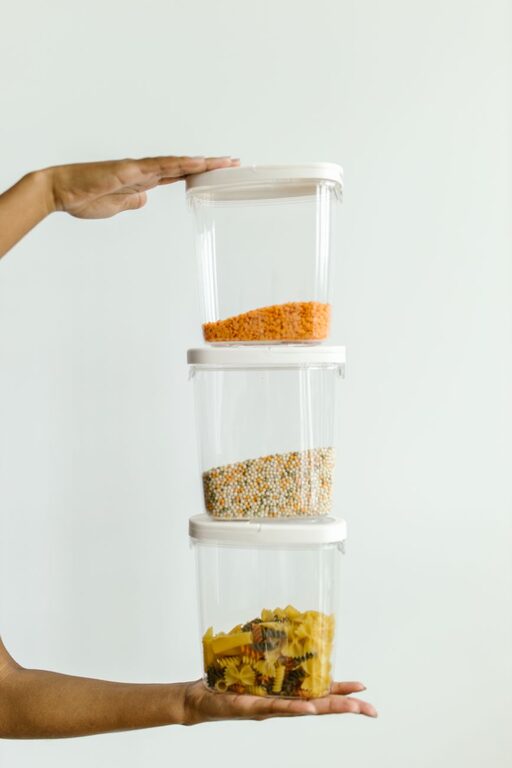
– Use clear containers for grains and legumes for easy visibility.
– Label shelves or containers.
– Keep frequently used items at eye level.
– Group items by type to speed up meal prep.
Final Thoughts
Planning meals from pantry staples is both economical and practical. By taking inventory, understanding which staples to keep on hand, and preparing flexible meal plans, you can create nourishing meals with less stress. Over time, you’ll gain confidence in using your pantry creatively, saving time and money in the process.
Give it a try this week and see how much easier meal planning can be when you start with what you already have!