







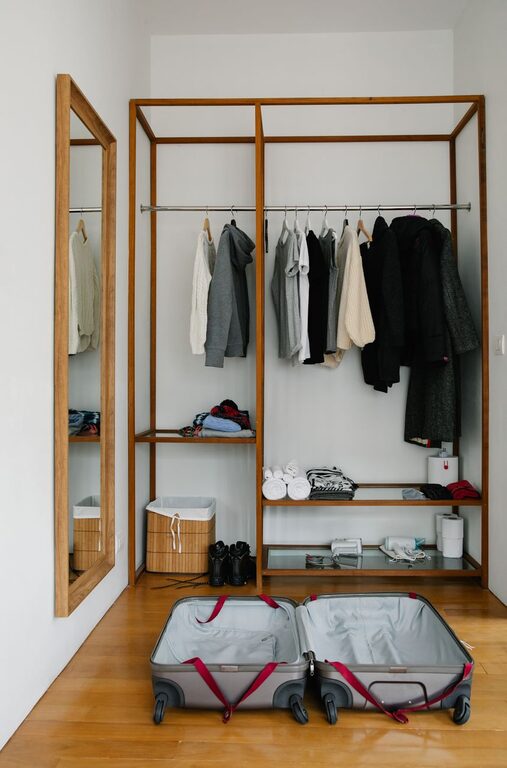
Storing seasonal clothes efficiently is a challenge many people face. Whether it’s bulky winter coats or delicate summer dresses, managing your wardrobe throughout the year can feel overwhelming without the right approach. Proper storage not only helps you save space but also keeps your clothes in great condition, ready to wear when the season returns.
In this guide, you’ll learn practical, straightforward tips on how to store seasonal clothes efficiently, ensuring your home stays organized and your garments remain fresh.
Why Proper Seasonal Clothing Storage Matters
Before diving into methods, it’s important to understand why efficient storage is beneficial:
– Space Management: Seasonal clothes can take up a lot of space when not worn. Efficient storage frees up your closet for current use.
– Clothing Preservation: Proper storage protects fabrics from dust, moisture, pests, and wrinkles.
– Ease of Access: Well-organized storage makes it easier to find and retrieve items when the season changes.
– Maintaining Wardrobe Longevity: Avoid damage and wear by storing clothes the right way.
Step 1: Sort and Declutter Your Clothes
Before storing, spend some time sorting through your seasonal clothes.
Tips for Sorting:
– Assess Condition: Check for stains, tears, or damage that need repair before storing.
– Evaluate Usefulness: If you haven’t worn something for a few seasons, consider donating or recycling it.
– Group by Category: Separate clothes by type—like sweaters, coats, or swimwear—to make storage easier.
Step 2: Clean Clothes Thoroughly
Always clean your clothes before storage.
– Wash or Dry Clean: Dirt and oils can attract pests or cause stains to set.
– Make Sure Clothes Are Dry: Moisture leads to mold and mildew, so dry clothes completely.
Step 3: Choose the Right Storage Containers
Selecting appropriate containers helps protect your clothes and saves space.
Storage Options:
– Vacuum-Sealed Bags: Great for reducing volume, especially bulky items like sweaters and coats. Be cautious as continuous compression may affect delicate fabrics.
– Plastic Bins with Tight Lids: These protect clothes from moisture and pests. Look for clear bins to easily identify contents.
– Fabric Storage Bags: Breathable and prevent mildew, ideal for items sensitive to compression.
– Storage Boxes with Dividers: Useful for smaller items like scarves, hats, or gloves.
Step 4: Prepare Your Clothes for Storage
Proper preparation protects your clothes during storage.
– Fold Clothes Neatly: Avoid hanging bulky items during storage as they can stretch out.
– Use Acid-Free Tissue Paper: Place tissue paper between folds to prevent creases.
– Store Natural Fibers with Care: Use cedar blocks or sachets to repel moths naturally.
– Avoid Plastic Bags: Except vacuum-sealed bags, plastic can trap moisture and cause damage.
Step 5: Label Your Storage Containers
Labeling containers saves time and effort later.
– Include the type of clothes and season (e.g., “Winter Sweaters”).
– Use waterproof markers or printed labels for durability.
– Consider adding a contents list inside the container.
Step 6: Choose the Right Storage Location
Where you store your clothes is just as important as how.
– Cool, Dry Places: Avoid basements or attics if they’re prone to dampness or temperature fluctuations.
– Off the Floor: Use shelves or pallets to keep containers away from potential water damage.
– Ventilated Areas: Good airflow helps prevent mustiness and mold.
Step 7: Maintain Your Storage
Check on your stored clothes periodically.
– Inspect for pests, moisture, or damage.
– Refresh cedar blocks or sachets as needed.
– Air out clothes once or twice during the off-season to keep them fresh.
Bonus Tips for Seasonal Clothing Storage
– Rotate Your Wardrobe: When the season changes, store off-season clothes immediately to keep your closet uncluttered.
– Use Multi-Purpose Furniture: Storage ottomans or beds with drawers offer hidden storage space.
– Consider Digital Inventory: Take photos or keep a list of stored items for easy tracking.
Conclusion
Efficient storage of seasonal clothes doesn’t have to be complicated. By sorting, cleaning, using the right containers, and choosing appropriate locations, you can keep your wardrobe organized, protected, and ready for any season. With these friendly and practical tips, your closet will thank you — and your clothes will last longer, looking their best every time you wear them.
Happy organizing!