




Making dinner is only half the job; cleaning up afterward can often feel like a daunting task. However, with a few smart strategies and simple habits, you can significantly reduce the time and effort spent on dinner cleanup. Whether you’re cooking for your family or just yourself, these ideas will help keep your kitchen tidy and your stress levels low.
1. Prepare Your Kitchen Before Cooking
Clear and Organize Your Workspace
Before you start cooking, take a few minutes to clear your countertops of unnecessary items. Having a clean, organized workspace helps you cook more efficiently and prevents messes from spreading. Gather all the utensils, pots, and ingredients you’ll need, so you don’t have to search for items mid-preparation.
Use Bowls for Prepping Ingredients
Instead of cutting and chopping directly on the countertop, use bowls for collecting chopped vegetables, herbs, or other ingredients. This keeps your workspace cleaner and makes it easier to transfer ingredients to pots or pans.
2. Use Fewer Dishes and Tools
Cook One-Pot or One-Pan Meals
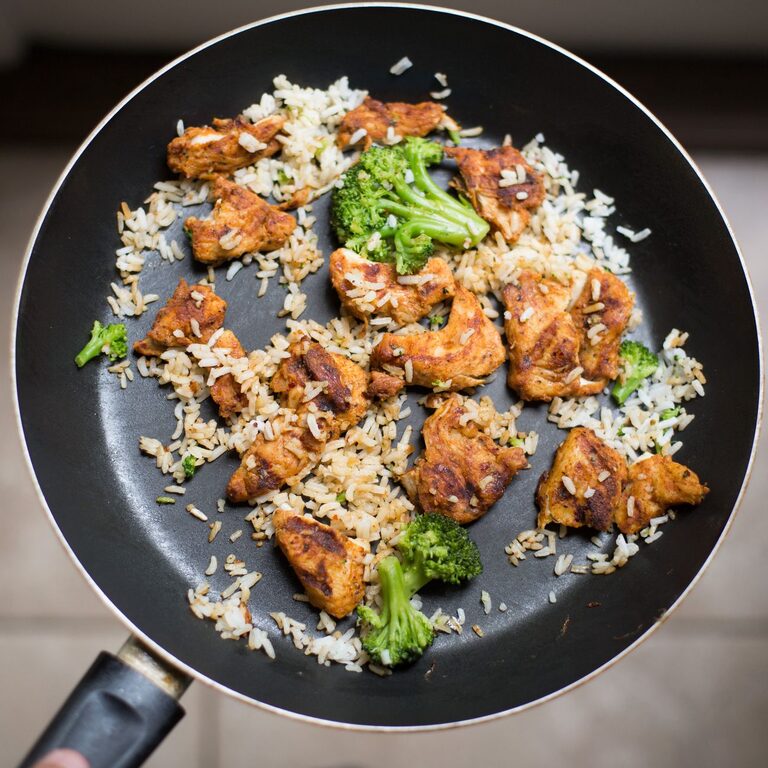
When possible, choose recipes that require only one pot or pan. Dishes like stir-fries, sheet pan dinners, or one-pot pasta meals save you from washing multiple pots, pans, and baking dishes. This simple choice dramatically reduces cleanup time.
Reuse Cooking Utensils Wisely
Try to use the same mixing spoon or spatula throughout the cooking process, rinsing it quickly between tasks if needed. Limiting the number of tools you use means fewer items to wash afterward.
3. Clean as You Go
Wash or Soak Dishes While Waiting
Instead of waiting until after dinner to tackle the dishes, wash or soak pots, pans, and utensils while food is cooking. For example, soak cutting boards or bowls with stubborn residue in warm soapy water. This prevents food from hardening and makes cleanup easier.
Wipe Down Surfaces Immediately
After prepping ingredients or handling messy foods, wipe down countertops, stove tops, and sink areas right away. Cleaning small spills immediately prevents stains and buildup, making your kitchen look cleaner as you cook.
4. Use Kitchen Tools to Speed Up Cleanup
Silicone Baking Mats and Parchment Paper
Using silicone mats or parchment paper on baking sheets can prevent food from sticking and reduce grease buildup. Instead of scrubbing baked-on residue, you can simply lift the mat or discard the paper.
Dishwasher-Safe Accessories
Invest in kitchen tools and containers that are dishwasher-safe. Loading items directly into the dishwasher after use can save time and ensure thorough cleaning.
5. Make Use of Smart Storage Solutions
Stack and Store Efficiently
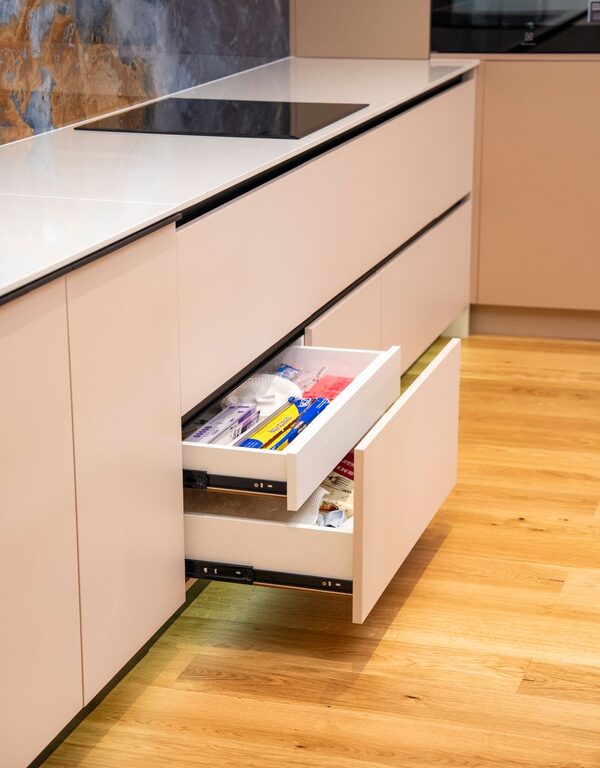
Keep your kitchen organized by stacking pots, pans, and storage containers neatly. Use nesting sets or storage racks to maximize space, so you can easily access what you need without creating clutter.
Label Storage Containers
Labeling leftovers and prepped ingredients helps you instantly recognize contents, reducing the chance of spills or having to empty containers unnecessarily.
6. Delegate and Share the Tasks
Involve Family Members
Make dinner cleanup a shared responsibility. Assign tasks like rinsing dishes, wiping tables, or loading the dishwasher to family members. This not only speeds up the process but also teaches good habits.
Use Cleanup Playlists or Timers
Setting a cleaning timer or playing an energizing playlist can motivate everyone to work more efficiently. Turn cleanup into a fun, timed activity to get the job done quickly.
7. Organize Your Cleaning Supplies
Keep Supplies Handy
Store dish soap, sponges, scrubbers, and towels in a convenient spot near the sink. Having everything within reach means you’re less likely to postpone or skip cleaning steps.
Use a Sink Caddy or Tray
A caddy or tray can keep your cleaning tools organized and dry, preventing clutter around the sink area and making it easy to grab what you need.
8. Make Cleanup Part of Your Routine
Establish a Cleanup Habit
Rinse dishes and wipe down surfaces immediately after eating to prevent buildup. Setting aside just 10–15 minutes after dinner for cleanup can prevent a pileup for the next day.
End Each Meal with a Quick Tidy
Encourage everyone to clear their plates, throw away trash, and put leftovers away right after eating. This small effort keeps your kitchen neat and reduces the amount of work later.
—
Final Thoughts
Dinner cleanup doesn’t have to be overwhelming. By planning ahead, using fewer dishes, cleaning as you cook, and sharing the tasks, you can keep your kitchen clean and enjoy your meals without the dread of a big mess afterward. Try incorporating these ideas into your routine, and you’ll likely find that cleanup becomes faster, easier, and maybe even a little more enjoyable.